Recognition Gifts in Canada: What to Give at 1, 5, 10 and 25 Years
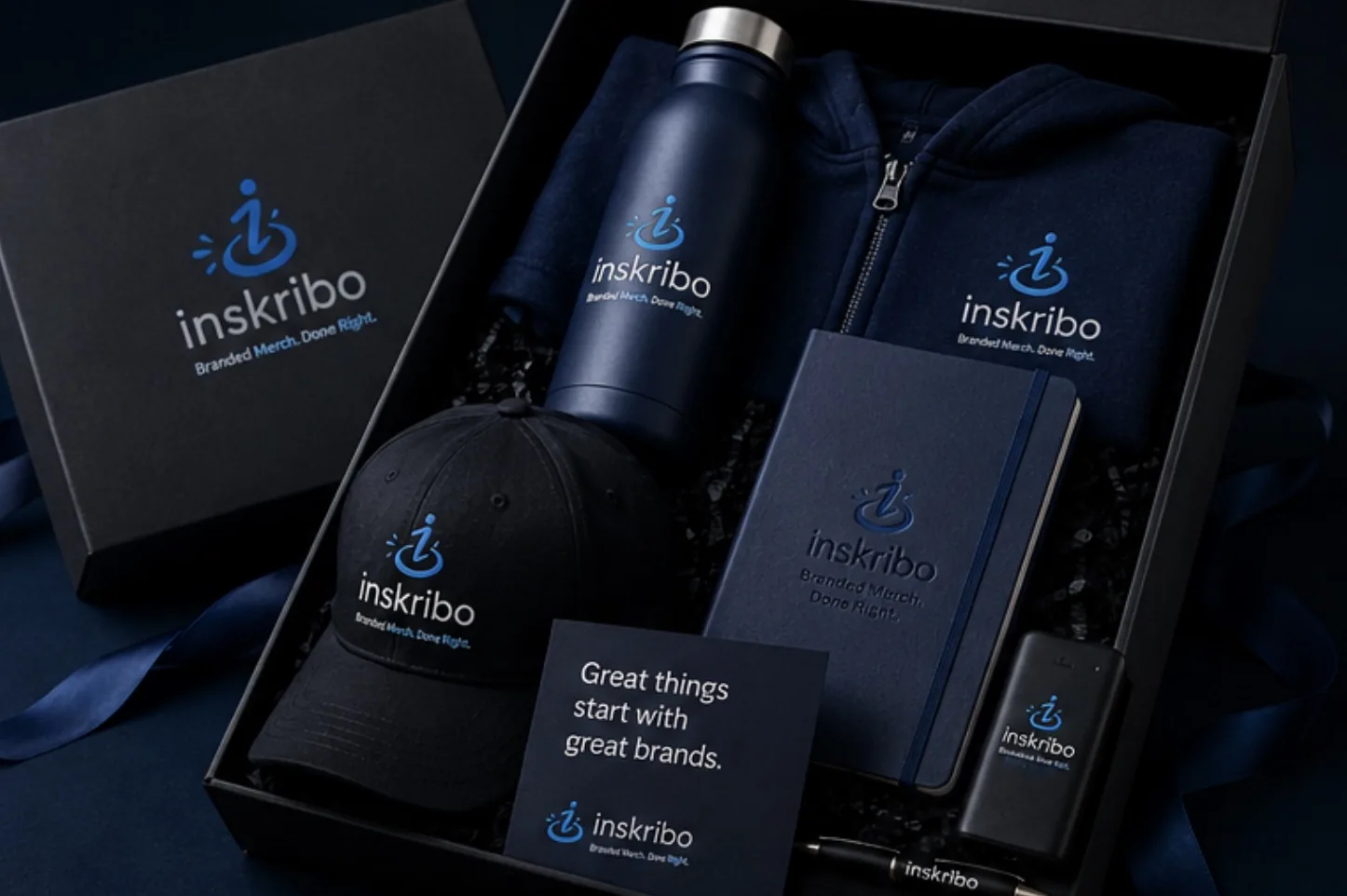
Someone on your team hits ten years this month. What they get tells everyone else what ten years is worth.
That's the part of recognition most companies miss. The gift isn't just for the person receiving it. It's a signal to the whole room about whether staying, and doing good work while you stay, gets noticed.
So it's worth getting right. Here's how to think about it at each milestone, what it should cost, and the Canadian tax rule that quietly shapes the whole thing.
Start with the rule, because it sets the budget
In Canada, the CRA lets you give an employee non-cash gifts and awards worth up to $500 a year, taxes included, without it becoming a taxable benefit. Go over, and only the amount above $500 is taxable.
Long-service awards get their own separate $500. To count, the award has to mark at least five years of service, and it has to be at least five years since that person's last long-service award. So a five-year, ten-year and fifteen-year award each get their own room.
A few things sit outside the limits or break them:
- Small items of trivial value don't count toward either limit. The CRA's own examples are things like a mug, a T-shirt, a plaque or a trophy.
- Cash and near-cash are always taxable. That includes most gift cards. A gift card only counts as non-cash if it's for a single retailer or group of retailers, can't be turned into cash, and you keep a log of it.
- Rewards for performance aren't gifts in the CRA's eyes. If it's tied to hitting a target, it's taxable.
That's a plain-English summary of the CRA's policy on gifts, awards and long-service awards, not tax advice. Run your own program past your accountant.
The practical upshot: a well-chosen physical gift sits comfortably inside the limits, and it outlasts a gift card by years.
What to give at each milestone
There's no official table. This is how we'd shape it, and every company bends it to fit their culture.
One year. The "glad you're here" moment. Something useful and personal in the $40 to $100 range: a quality tumbler with their name on it, a good notebook and pen, a layer they'll actually wear. Keep it light. The note matters more than the object.
Three years. Often skipped, which is exactly why marking it lands. Same range, a step up in quality.
Five years. The first real milestone, and the first one that can use the separate long-service $500. Somewhere between $100 and $250. A premium layer, a well-made bag, a desk piece with the date engraved. This is where personalisation starts doing serious work.
Ten years. $250 to $400. A premium retail brand, a curated set of two or three pieces that belong together, or something they'd never buy for themselves. Ten years deserves a proper handover, not a box left on a chair.
Fifteen, twenty, twenty-five. Up to the $500 long-service limit. At this point the gift is mostly a vehicle for the moment: who presents it, what they say, and whether the room is there to hear it.
The gift matters less than whether it feels chosen
Recognition fails in a very specific way. The gift arrives, it's obviously generic, and it quietly says the milestone wasn't worth much thought.
Three things fix that, and none of them is spending more:
Their name, their date. A name or a year on an otherwise simple piece almost always lands better than an expensive item with a company logo on it. It's the difference between something kept on a desk and something left in a drawer.
A real note. From their manager, written by hand, saying one specific thing. Not "thanks for all you do." The thing they actually did.
A deliberate handover. In person if you can. If they're remote, ship it home with packaging designed to be opened there, and set a time to call while they open it.
Run it as a program, not a scramble
The companies that do this well don't buy a gift when an anniversary comes up. They decide once.
- Pick the moments and the tiers. 1, 5, 10, 15, 20 and 25 years is the usual backbone. Add whatever matters to your culture.
- Choose the line-up for the year. One or two options per tier, chosen up front.
- Hold the stock. So the gift is ready the day it's earned, not ordered three weeks after the date has passed.
- Send names and dates monthly. Personalisation, packing and shipping happen from there.
- Review it once a year. Keep what people love. Drop what they don't.
Do that, and something useful happens: people notice five-year anniversaries being marked properly long before their own comes around.
If you're planning year-end recognition, the calendar is now
Year-end thank-yous run on the same clock as client holiday gifts, and the same constraints apply. Decoration shops fill up through October, popular stock disappears into November, and personalised items add time.
Decide the list and the gift by the third week of October. Lock names for personalisation by the fourth week of October. Plan for delivery in the first two weeks of December, before people start disappearing for the holidays. Starting late? Here's what can still land by December.
Where to start
Open your HR system and pull every work anniversary in the next twelve months. Count them by milestone. That one list tells you your tiers, your volumes and roughly your budget.
Bring us that, and we'll come back with a short line-up for each tier, built around your people rather than a catalogue. More on how it works on our employee recognition page, or book a 30-minute call.
Not ready for a call?
Get three ideas in 48 hours.
Tell us who it’s for, how many people and roughly what you want to spend. Someone on our team sends back three ideas built around it, with rough pricing and whether each one lands in time. Not a catalogue link.
Inskribo IQ
Ready to build merch that people actually remember?
Whether you’re launching a new brand, planning an event, building a company store, or creating employee experiences—we’d love to help.