Shipping Trade Show Swag from Canada to the US in 2026: What Gets Held at the Border
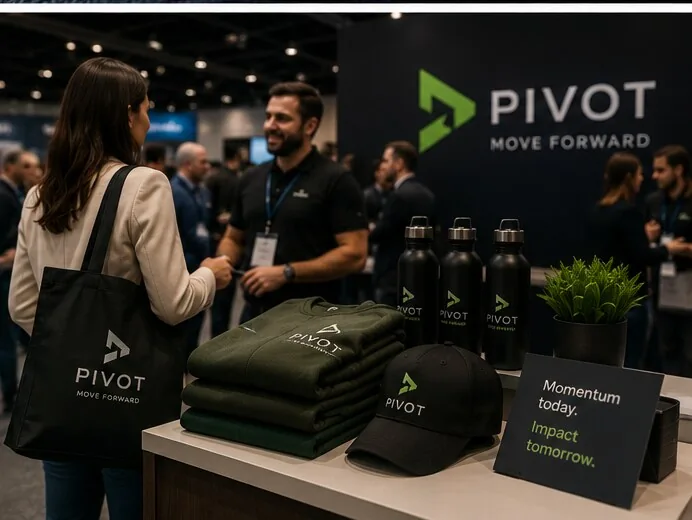
We ship client merch to more than 100 international trade shows a year. The shipments that go wrong almost never go wrong at the booth. They go wrong in a customs office on a Thursday, with the show opening Monday.
The rules for getting swag from Canada into the US changed a lot in the last year, and most event teams are still shipping the way they did in 2024. Here's what changed, and how to keep your boxes moving.
Every box now needs a customs entry
For years, a small shipment worth under US$800 crossed into the US duty-free with almost no paperwork. That exemption is gone.
The US suspended it for every country, Canada included, on August 29, 2025. CBP has since suspended it indefinitely, and US law ends it for good on July 1, 2027. CBP's own notice says the suspension applies regardless of value, country of origin or how the goods arrive.
So a box of 300 pens now goes through the same front door as a pallet. It needs a proper import entry, and it pays whatever duty applies.
Where it's made matters more than where it ships from
US duties are charged by country of origin, not by where a box ships from.
A tumbler made in Asia, printed in Toronto and shipped from Mississauga is still an Asian-made tumbler at the US border. Putting your logo on it doesn't change that. In a past ruling, CBP found that screen-printing logos on mugs in Canada didn't change their country of origin.
Most promotional products are made in Asia, so most trade show swag pays the US duties on goods from those countries, which have been steep for years.
Goods that genuinely are made in Canada have their own problem. Since August 2026, the US has charged an additional 50% tariff on a long list of Canadian products, and the White House is explicit that it applies whether or not the goods qualify under CUSMA.
The specific rates and lists have changed several times this year and could change again. That's exactly why the next two sections matter.
Giveaways can't travel on a carnet
An ATA Carnet is a customs document that lets you bring goods into a country temporarily, as long as they come home again. It's the right tool for your booth, displays and demo equipment.
It is not the right tool for swag. CBP says it plainly: consumable items such as giveaways can't travel under an ATA Carnet. Anything you're handing out stays in the US, so it has to be imported properly, with duty paid.
If you're sending both, pack them separately and label them clearly. A booth crate and a box of giveaways on the same paperwork is a classic way to get both held.
The paperwork that keeps boxes moving
Most customs holds don't come from anything dramatic. They come from vague paperwork. What CBP needs on a commercial invoice:
- A specific description of each item. "Cotton T-shirt, screen printed" and "stainless steel tumbler, 20 oz", not "promotional items" or "samples".
- Quantity and value for each line, in a stated currency.
- The country of origin for each item. Not where you bought it. Where it was made.
- A tariff classification (HTS code) for each item. Your customs broker can help with this.
- Who the importer of record is. Someone has to own the entry on the US side.
A couple of thresholds to know. Shipments worth up to US$2,500 can usually go through as an informal entry. Above that, it's a formal entry with a customs bond. And splitting one shipment into several to stay under the limit isn't allowed.
One newer rule catches people out: since July 8, 2026, products made for children need their safety certificate data filed electronically when they enter the US. If anything in the box is designed for kids, tell your broker before it ships.
This is a plain-English summary as of October 2026, not customs advice. Have a licensed customs broker confirm the details for your shipment.
The simplest fix: for US shows, make it in the US
For a show in the US, the cleanest route is usually to have the swag made, decorated and shipped inside the US. No border, no entry, no surprise duty bill, and no box stuck in a customs office the week of the show.
We work on both sides of the border, so the same team can plan your Toronto show and your Las Vegas show and send each one from the right side of the line.
When something genuinely has to cross, a few habits make the difference:
- Ship two weeks earlier than feels necessary. Customs holds are measured in days, and shows don't move.
- Send one consolidated shipment rather than five boxes on five days.
- Split the booth from the giveaways, on separate paperwork.
- Line up the broker before it ships, not when it's held.
- Keep the origin of every item on file. You'll be asked.
Where to start
Pull up the list of shows you're doing in the next six months, and for each one, write down three things: where it is, what you're shipping, and where each item is made.
Send that to us in the short form below, and we'll come back within 48 hours with three ideas for your next show, including which side of the border it should ship from. More on how we handle events on our event merch page.
Not ready for a call?
Get three ideas in 48 hours.
Tell us who it’s for, how many people and roughly what you want to spend. Someone on our team sends back three ideas built around it, with rough pricing and whether each one lands in time. Not a catalogue link.
Inskribo IQ
Ready to build merch that people actually remember?
Whether you’re launching a new brand, planning an event, building a company store, or creating employee experiences—we’d love to help.